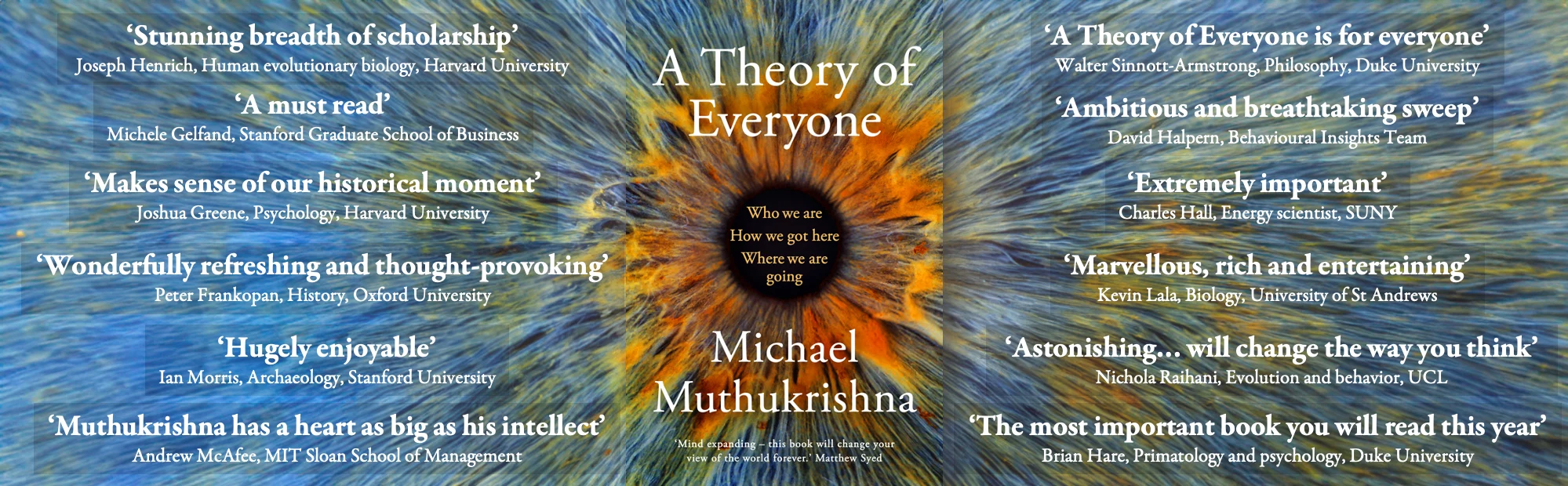

I presented “The Evolution of Comity: Ultimate Constraints on the Scale of Cooperation” at Duke University. The most relevant papers are:
Muthukrishna, M., Henrich, J. & Slingerland, E. (2021). Psychology as a Historical Science. Annual Review ofPsychology, 72, 717-49. [Download] [Publisher] [Twitter]
Henrich, J. & Muthukrishna, M. (2021). The Origins and Psychology of Human Cooperation. Annual Review ofPsychology, 72, 207-40. [Download] [Publisher] [Twitter]
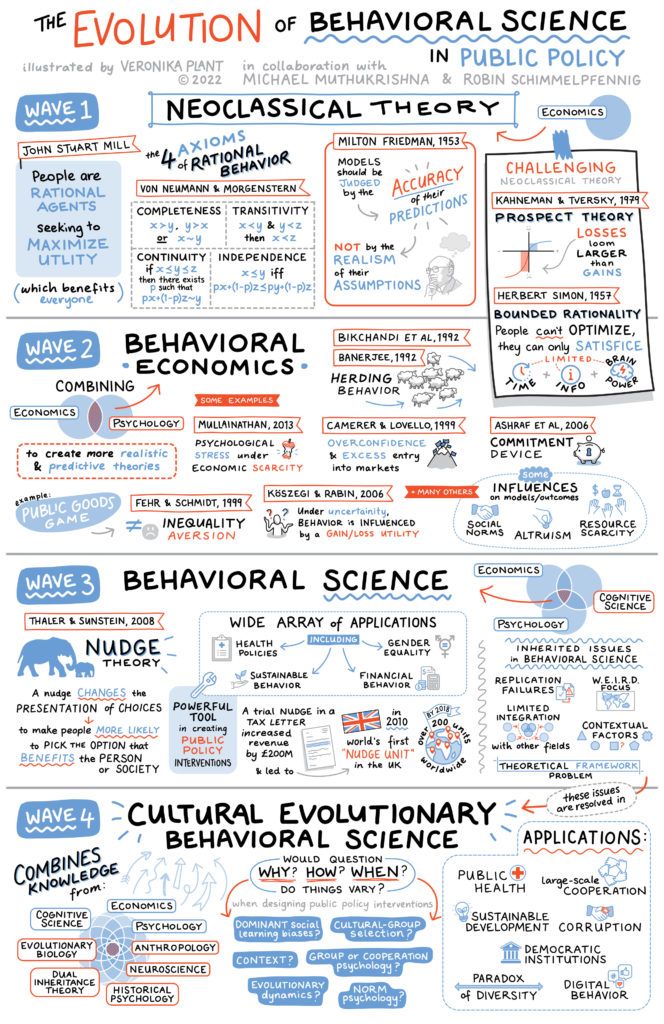
I was invited by the Behavioural Insights Team (BIT) to speak about cultural behavioral science and its applications in public policy. I explain how, by using cultural evolution as a theory of human behavior can help some of the challenges in behavioral science in terms of long term change and contextual factors that affect whether an intervention will work. This figure from a key paper presents the history of behavioral science that has led to cultural evolutionary behavioral science as an obvious next step.
The most relevant papers are:
Muthukrishna, M. (2019). Cultural Evolutionary Public Policy. Nature Human Behaviour, 4, 12-13. [Download] [Publisher]
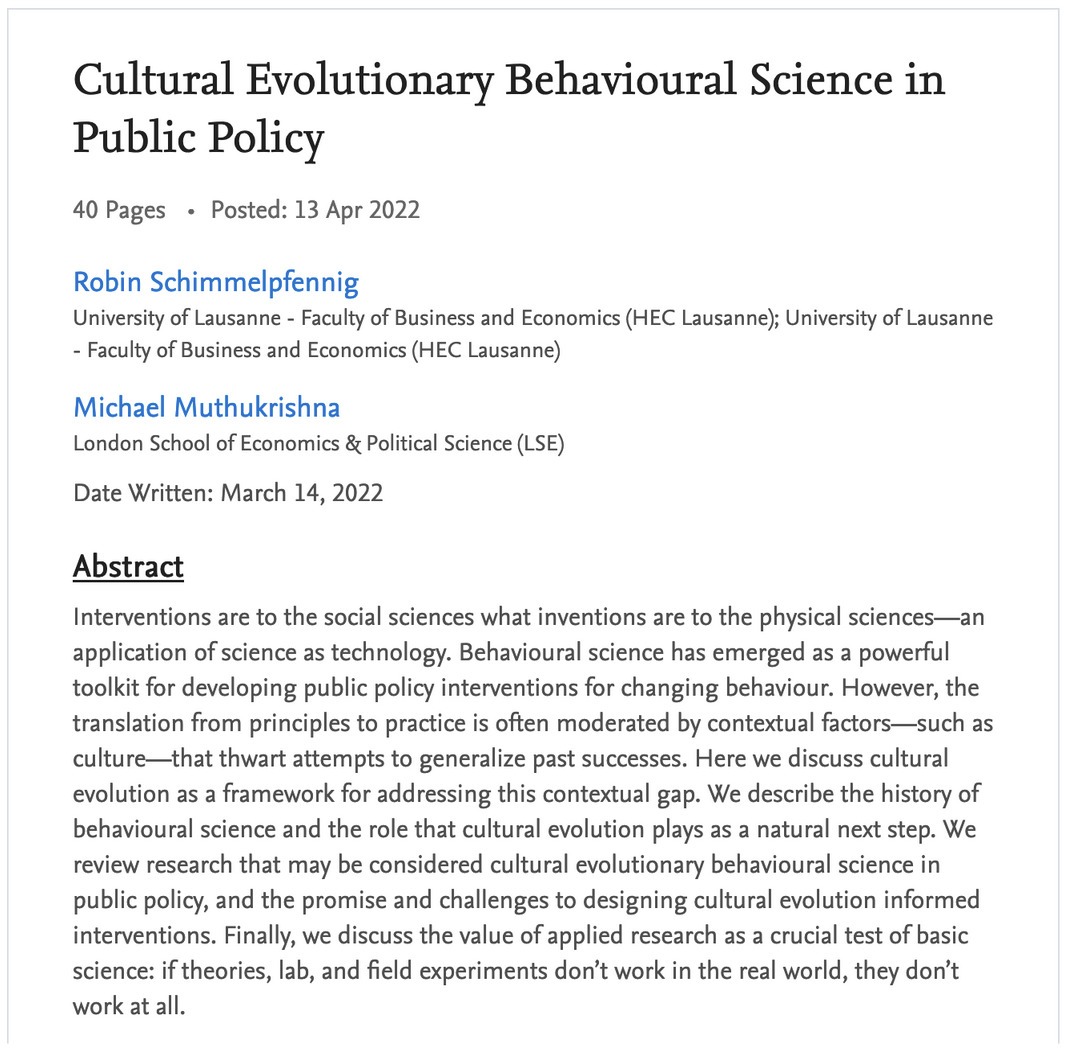
Schimmelpfennig, R. & Muthukrishna, M. (2023). Cultural Evolutionary Behavioural Science in Public Policy. Behavioural Public Policy. [Publisher] [Download] [Twitter] [LinkedIn]
My talk begins with an overview of the problem plaguing behavioral economics – the lack of a theoretical foundation that can guide policy interventions. I introduce cultural evolution as a possible solution to bridge the theoretical gap. By using cultural evolution as a theory of human behavior, improvements can be made in policy efficiency. For example, studying how social norms change and evolve over time will provide a foundation for implementing effective policy interventions in multicultural societies. Some of this history is captured in this figure from the paper:
Considering the historical path dependence of norms provides crucial in understanding why certain populations hold certain beliefs, like vaccine hesitancy and a distrust in healthcare systems. Identifying how people acquire cultural norms, and narrowing down the ultimate causes for behavior (through cultural distance tools like world.culturalytics.com) could provide insights into designing interventions that work.
Understanding cultural evolution and behavioral science can help reanalyze the literature on public policy, providing insights into why some approaches are successful while others are not. I explain how studying universal cognitive capabilities will provide a deeper understanding of norm change, and thus, improve policy design.
Muthukrishna, M., Doebeli, M., Chudek, M., & Henrich, J. (2018). The Cultural Brain Hypothesis: How culture drives brain expansion, sociality, and life history. PLOS Computational Biology, 14(11): e1006504. [Download] [Supplementary] [Summary Post] [Publisher] [Twitter]
Schimmelpfennig, R., Razek, L., Schnell, E., & Muthukrishna, M. (2021). Paradox of Diversity in the Collective Brain. Philosophical Transactions of the Royal Society B: Biological Sciences. [Download] [Summary Post] [Publisher] [Twitter]

I was invited to speak at the Royal Navy workshop, hosted by the Royal United Services Institute, UK’s leading defense and security think tank.
I discussed the evolution of innovation through collective intelligence, drawing examples from history and archaeology. I also highlighted how modern societies can benefit from past civilizations’ collective intelligence to promote progress and innovation. The papers most relevant to this talk are:
Schimmelpfennig, R., Razek, L., Schnell, E., & Muthukrishna, M. (2021). Paradox of Diversity in the Collective Brain. Philosophical Transactions of the Royal Society B: Biological Sciences. [Download] [Summary Post] [Publisher] [Twitter]
Muthukrishna, M., Bell, A. V., Henrich, J., Curtin, C., Gedranovich, A., McInerney, J. & Thue, B. (2020). Beyond Western, Educated, Industrial, Rich, and Democratic (WEIRD) Psychology: Measuring and Mapping Scales of Cultural and Psychological Distance. Psychological Science, 31(6), 678-701. [Download] [Supplementary] [Code] [Summary Post] [Publisher] [Twitter]
It was an insightful exploration of the role of collective intelligence in human innovation in a defense context. My thanks to RUSI for inviting me and organizing the event.
Robin Schimmelpfenning and I discussed our co-authored paper on the paradox of diversity in the collective brain. We discuss how the rate of innovation depends on sociality, information fidelity, and cultural trait diversity. While cultural trait diversity offers the largest potential for empowering innovation, it also brings with it potential coordination and cooperation challenges. Diversity, in other words, is both a source of innovation and divisive; a double-edge sword. We then propose using cultural evolvability as a framework for resolving this paradox.
Our presentation was followed by a discussion session and subsequently a panel discussion chaired by Dominic Abrams.
The fifth Future of Government Disruptive Debate hosted by the World Bank tackles the issue of citizens’ trust in government. Together with a diverse group of high-profile practitioners, renowned experts, and thought leaders, I discuss how the natural state of affairs is corruption and the challenges government face in getting citizens to trust higher levels of cooperation.
My opening remarks can be found from 7:12 to 14:07 in the recording above. A rough summary of my talk can be found on my substack: https://muthukrishnalab.substack.com/p/trust-governance-and-cultural-evolution
The fifth Future of Government Disruptive Debate will tackle the issue of citizens’ trust in government. The Disruptive Debate series aims is to bring together a diverse group of high-profile practitioners, renowned experts and thought leaders to generate new knowledge and perspectives.
The issue of trust has been a frequent theme arising during the Disruptive Debate series. The panel addressed questions such as: Why is trust important for poverty reduction and shared prosperity? What is the relationship between inequality and trust? What can governments do to increase, or re-build, trust? How can citizens influence and hold governments to account? What has been the role of information, data and social media, particularly during COVID-19?
Considering the limitations of psychology today, I discussed ways in which we can move beyond WEIRD (Western, Educated, Industrialized, Rich, and Democratic) psychology in a global collaborative manner and strengthen the links between basic and applied policy research. I also discussed the importance of historical psychology.
Many thanks to Joseph Henrich for the enthusiastic introduction.
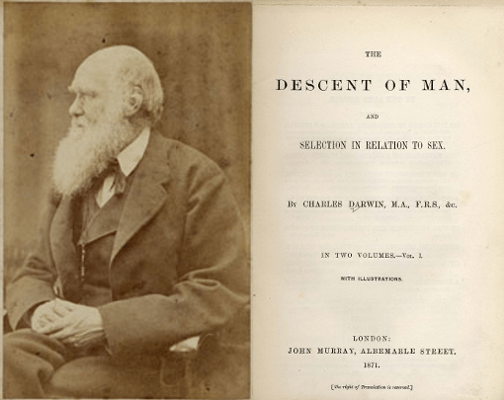
This year marks the 150th anniversary of Charles Darwin’s Descent of Man. As part of the celebration, the Center for the Dynamics of Social Complexity (DySoc) organized a series as Outreach for the Cultural Evolution Society: Celebrating the 150th anniversary of the The Descent of Man (http://www.dysoc.org/dom_webinars). I presented the most up-to-date version of the “Cultural Brain Hypothesis, Collective Brains, and the Evolution of Intelligence”. You can watch the talk below:
I gave a talk on “Cooperation and the moral circle: When cooperation harms the collective good” as part of the SPSP 2021 Justice and Morality Pre-Conference. It’s part of some new work on the problem of the expanding moral circle as it links to cooperation, corruption, prosocial, and antisocial behavior. A related working paper is available here: https://www.biorxiv.org/content/10.1101/2021.02.19.432029v2
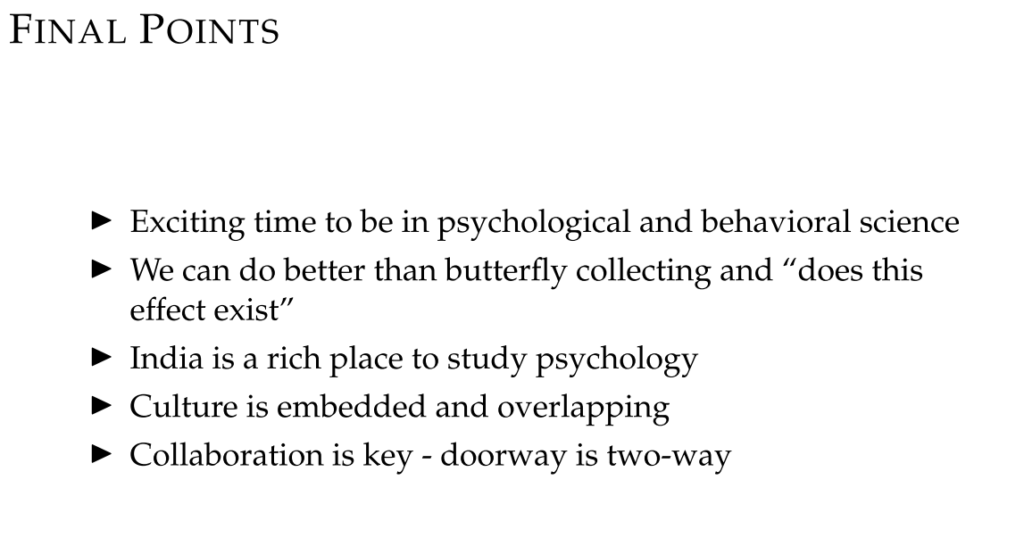
I gave a keynote at the Monk Prayogshala organized SPSP Bridge-Building Session. I introduced cultural evolution and dual inheritance theory as a theory of human behavior and how it can be used to a create a more holistic post-WEIRD psychological and behavioral science. My final points:
This year’s Diverse Intelligences Summer Institute was held online due to the pandemic. I delivered a lecture over Zoom on “What affects our level of intelligence?” followed by a lively discussion with the students. The lecture discussed brain evolution, the Cultural Brain Hypothesis, collective brain, and a cultural evolutionary account of intelligence. You can watch it below:
I was delighted to discuss my recent paper on measuring cultural distance “Beyond WEIRD Psychology: Measuring and Mapping Scales of Cultural and Psychological Distance” at the Center for Culture and Evolution (add link to center) of Brunel University (add link to university). The center is emerging as an exciting and quickly growing hub for cultural evolutionary research.
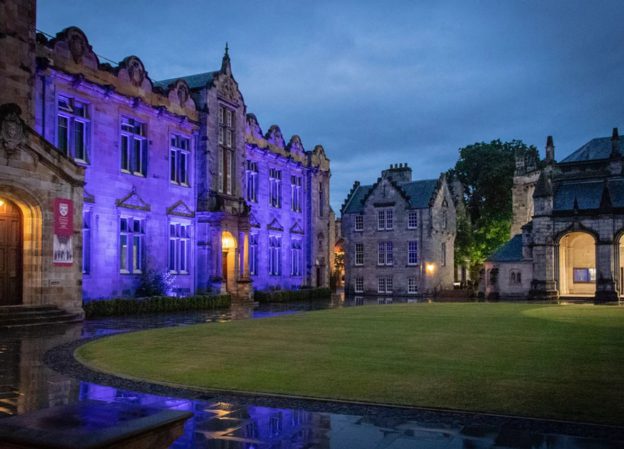
Keynote at Symposion Dürnstein on Heritages: Culture Nature Identity in the beautiful Dürnstein Abbey (Stift Dürnstein), Dürnstein, Austria. I discussed cultural evolution, the evolution of religion, and the challenges of multiculturalism.
Some photos from the event (photo credit – Klaus Ranger):