


Author Archives: admin

Database of Religious History at the Cultural Evolution of Religion Research Consortium Meeting in Montreal, Canada
This weekend the Database of Religious History (DRH) Team presented the DRH at the Cultural Evolution of Religion Research Consortium (CERC) Plenary Meeting at McGill University in Montreal, Canada. Our goal was to update the broader CERC team on our achievements for the year and to attract more historians and religious studies scholars to the project.
Edward Slingerland (Project Director) presented an overview of the strategy and future directions of the project.
Brenton Sullivan (Managing Editor) discussed how the project relates to other humanities databases and religious studies in general.
Frederick Tappenden (Regional Editor) discussed how our terminology, in particular, “religious group”, has evolved through feedback from historians and religious scholars.
Jessica McCutcheon (Managing Editor) remotely updated the audience on recruitment and changes in usability.
As Technical Director of the project, I discussed the technical design and updated the audience on the development of the project, including some exciting new features (e.g. the ability to challenge answers).
Carol Ember, President of the Human Relations Area Files (HRAF) at Yale University then responded to our panel with useful comments and suggestions.
You can read more about our efforts to publicize the database here.
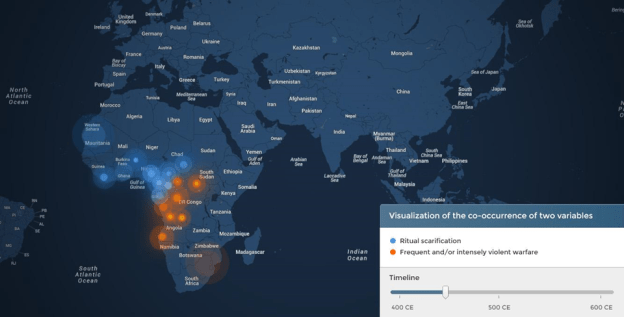
Database of Religious History at Department of Statistics, University of British Columbia, Canada
I was invited to present the Database of Religious History at the Department of Statistics Seminar Series. Nancy Heckman, Head of the Statistics Department, watched our award winning video on the database and was interested in possible connections with researchers in statistics. I presented some of the technical design aspects of the database as well as our statistical approach to analyzing the data.
Afterwards, I had lunch with several members of the department, including Nancy Heckman, Ruben Zamar, Cindy Greenwood, and Davor Cubranic, as well as with Andrew Trites, Director of the Marine Mammal Research Unit and North Pacific Universities Marine Mammal Research Consortium and Fisheries Centre Co-Director. I hope that collaborations with the Department of Statistics will allow us to find new ways to share and analyze our rapidly growing data.
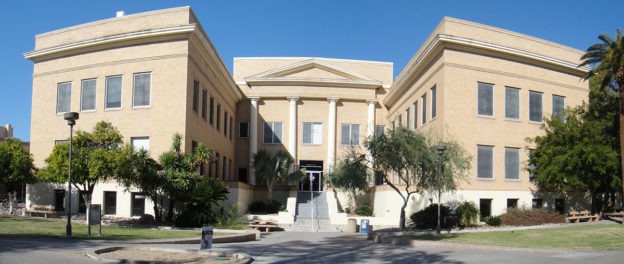
Cultural Brain Hypothesis at Arizona State University, Arizona
This week I visited Arizona State University, Arizona. Rob Boyd and Joan Silk invited me to present my research on the Cultural Brain Hypothesis at the Evolution of Social Complexity Colloquium Series, sponsored by the School of Human Evolution and Social Change, the Institute of Human Origins and the Consortium for Biosocial Complex Systems.
The Cultural Brain Hypothesis (in prep; co-authored with Maciek Chudek and Joe Henrich) describes the evolution of large brains and parsimoniously explains several empirical relationships between brain size, group size, social learning, mating structures, culture, and the juvenile period. The model also describes the selection pressures that may have led humans into the realm of cumulative cultural evolution, further driving up the human brain size.
The School of Human Evolution and Social Change and the Institute of Human Origins has an exceptional group of human evolutionary researchers. While at Arizona State University, I caught up with Rob Boyd, Joan Silk, Kim Hill, Sarah Mathew, Charles Perreault, Michelle Kline, and Matt Gervais.

Cultural Brain Hypothesis, Cultural Evolution & Human Social Networks at Stanford University, California
This week I visited Stanford University, California. Jamie Holland Jones invited me to present my research on human evolution, cultural evolution, and social networks at the Stanford Anthropology Colloquium Series. I presented three related projects:
The Cultural Brain Hypothesis (in prep; co-authored with Maciek Chudek and Joe Henrich), describes the evolution of large brains and parsimoniously explains several empirical relationships between brain size, group size, social learning, mating structures, culture, and the juvenile period. The model also describes the selection pressures that may have led humans into the realm of cumulative cultural evolution, further driving up the human brain size.
Sociality Influences Cultural Complexity (2014; co-authored with Ben Shulman, Vlad Vasilescu, and Joe Henrich) on the relationship between sociality and cultural complexity.
Cultural Dispositions, Social Networks, and the Dynamics of Social Influence: Implications for Public Opinion and Cultural Change (under review; co-authored with Mark Schaller) describes a mechanism through which realistic human social network structures can emerge and the implications of these mechanisms for cross-cultural differences in cultural transmission and innovation.

SSHRC Impact Awards Talk in Ottawa, Ontario
As a Top 5 winner of the Social Sciences and Humanities Research Council of Canada’s (SSHRC) Research for a Better Life: The Storytellers challenge, I was invited to present our research on the Database of Religious History at the SSHRC Impact Awards ceremony in Ottawa, Ontario.
It was an honor to meet the the Governor General of Canada, His Excellency the Right Honourable David Lloyd Johnston, SSHRC’s Executive Vice-President and Chief Operating Officer, Ted Hewitt, SSHRC’s Associate Vice-President, Future Challenges, Ursula Gobel (who I previously met at SSHRC Congress), CBC host of Ideas, Paul Kennedy, and the winners of the SSHRC Impact Awards – Beverley Diamond, Thomas Lemieux, Nico Trocmé, Wendy Craig, and Kirk Luther.
You can watch my talk below:
The Database of Religious History has been featured in several places, including canada.ca. See my previous News post for more details.
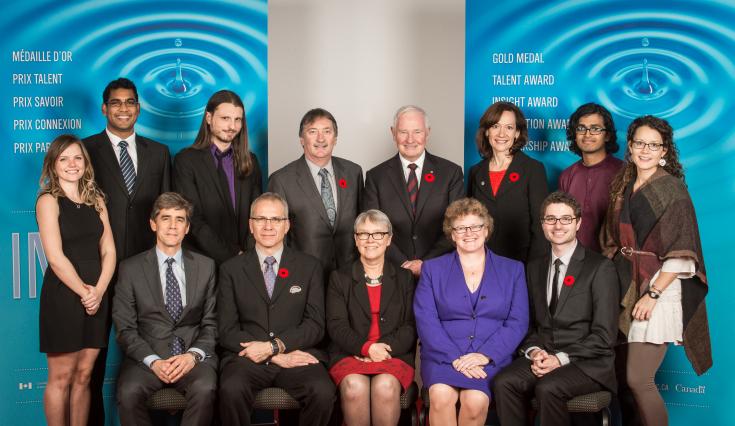
Top Row (Left to Right): Robin MacEwan, Michael Muthukrishna, James O’Callaghan, Ted Hewitt (Executive Vice President, SSHRC), Hon. David Johnston, Ursula Gobel (Associate Vice-President, Future Challenges, SSHRC), Vineeth Sekharan, Marylynn Steckley
Bottom Row (Left to Right): Thomas Lemiux (Insight Award), Nico Trocmé (Connection Award), Beverley Diamond (Gold Medal), Wendy Craig (Partnership Award), Kirk Luther (Talent Award)
Developing Best Practices for Teaching Evolution in the Social Sciences NESCent Meeting in Durham, North Carolina
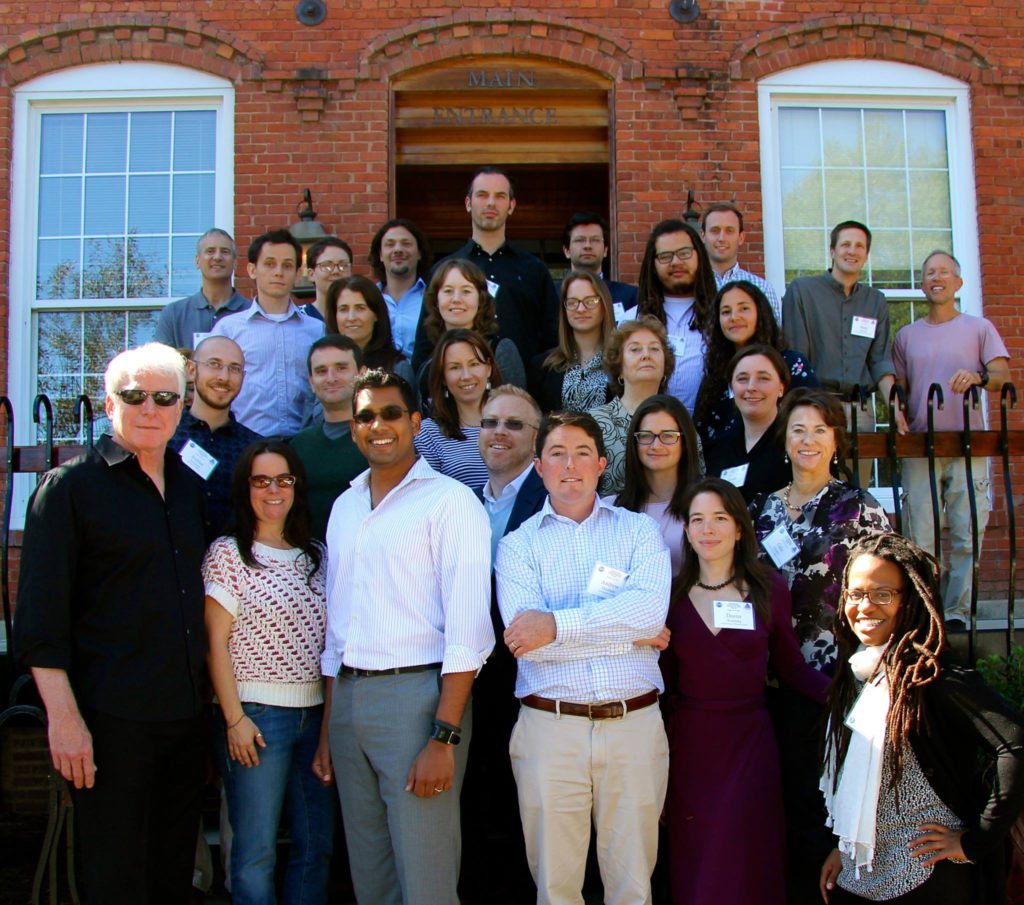
I and twenty-nine other scholars from the social and biological sciences met to discuss Developing Best Practices for Teaching Evolution in the Social Sciences.
Cristine Legare, Andrew Shtulman, and John Opfer did a flawless job in organizing and leading the Catalysis Meeting at the NSF funded National Evolutionary Synthesis Center (NESCent) in Durham, North Carolina.
We discussed the obstacles, pedagogical techniques, and methods of assessment in teaching evolution. The next step is find ways to convey these best practices to the broader research and teaching community. Possible products include a suggested curriculum and white paper outlining best practices.
Other attendees included:
Tanya Broesch (Simon Fraser University)
Justin Busch (University of Texas at Austin)
David Buss (University of Texas at Austin)
Maciek Chudek (Arizona State University)
Julia Clarke (University of Texas at Austin)
Dan Conroy-Beam (University of Texas at Austin)
Benjamin Cox (University of Texas at Austin)
Margaret Evans (University of Michigan)
Erin Furtak (University of Colorado Boulder)
Cari Goetz (University of Texas at Austin)
Katie Hinde (Harvard University)
Michelle Kline (University of California, Santa Barbara)
Rob Kurzban (University of Pennsylvania)
Rose McDermott (Brown University)
Marie Monfils (University of Texas at Austin)
Robin Nelson (Skidmore College)
Lars Penke (University of Goettingen)
David Rakison (Carnegie Mellon University)
Matt Rossano (Southeastern Louisiana University)
Joshua Rottman (Boston University)
Laurie Santos (Yale University)
Mark Schaller (University of British Columbia)
Gale Sinatra (University of Southern California)
Bill von Hippel (University of Queensland)
Rachel Watson-Jones (University of Texas at Austin)
Deena Weisberg (University of Pennsylvania)

Human Behavior and Evolution Society Conference in Natal, Brazil
I attended the 26th Human Behavior and Evolution Society (HBES) Conference in Natal, Brazil. I gave a talk on the Cultural Brain Hypothesis and the Cumulative Cultural Brain Hypothesis.
The paper (in prep), co-authored with Maciek Chudek and Joe Henrich, describes an evolutionary model of the evolution of brains and parsimoniously explains several empirical relationships between brain size, group size, social learning, mating structures, culture, and the juvenile period. The model also describes the selection pressures that may have led humans into the realm of cumulative cultural evolution, further driving up the human brain size.

Cultural Brain Hypothesis and Cumulative Cultural Brain Hypothesis at St Andrews, Scotland
This week I visited the University of St Andrews, Scotland. Kevin Laland invited me to present my paper (in prep) on the Cultural Brain Hypothesis and the Cumulative Cultural Brain Hypothesis. The paper, co-authored with Maciek Chudek and Joe Henrich, describes an evolutionary model of the evolution of brains and parsimoniously explains several empirical relationships between brain size, group size, social learning, mating structures, culture, and the juvenile period. The model also describes the selection pressures that may have led humans into the realm of cumulative cultural evolution, further driving up the human brain size. I presented the research to Kevin’s lab and to Andy Whiten’s lab. I will also be presenting the paper early next month at the 26th Annual Meeting of Human Behavior and Evolution Society (HBES) in Natal, Brazil.
While at St Andrew’s, I met with Andy Whiten, Luke Rendell, Kate Cross, Ana Navarrete, Daniel Cownden, Daniel van der Post, Cara Evans, James Ounsley, Andrew Whalen, Lewis Dean, and Murillo Pagnotta, among others. Kevin is currently on sabbatical at the University of Cambridge.
Digital Humanities Conference in Lausanne, Switzerland
I attended the Digital Humanities 2014 conference in Lausanne, Switzerland. Ted Slingerland, Brenton Sullivan, and I presented “A Large Database Approach to Cultural History”. We presented the goals, approach, design, challenges, and progress of the Database of Religious History.
As Technical Director of the project, I focused on the technical aspects. You can read more about our efforts to publicize the database here and here.
Visit to CERN in Geneva, Switzerland
This week I spent an inspiring day at CERN in Geneva, Switzerland. Ewan Hill gave us a tour of ATLAS experiment. Thank you to my friend, Simon Viel, for organizing.

University of Zurich in Zurich, Switzerland
This week I visited the Department of Economics at the University of Zurich. I met with Charles Efferson and toured the department’s impressive economics and neuroscience research facilities.

Vrije Universiteit Amsterdam in Amsterdam, Netherlands
This week I had meetings with Mark van Vugt, Dan Balliet, and Allen Grabo at the Vrije Universiteit in Amsterdam, Netherlands. I also met with Tom Pollet, Josh Tybur, and Francesca Righetti. Before leaving Amsterdam, I caught up with my friend Bastiaan Rutjens, formerly a postdoc at UBC and now at the University of Amsterdam.
Max Planck Institute for Evolutionary Anthropology in Leipzig, Germany
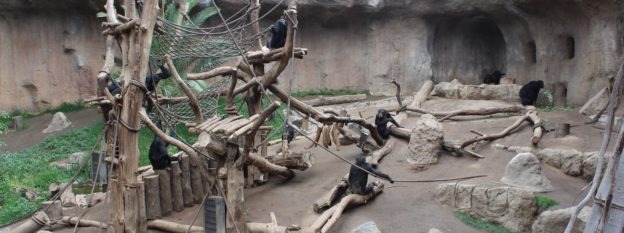
This week I had meetings with Mike Tomasello and several members of his lab, including Robert Hepach, Marco Schmidt, and Bailey House at the Max Planck Institute for Evolutionary Anthropology in Leipzig, Germany. It was a great pleasure to also visit the Institute’s primate research facility at the Leipzig Zoo.
SSHRC Storytellers Competition Top 5 Winner, St Catharines, Ontario
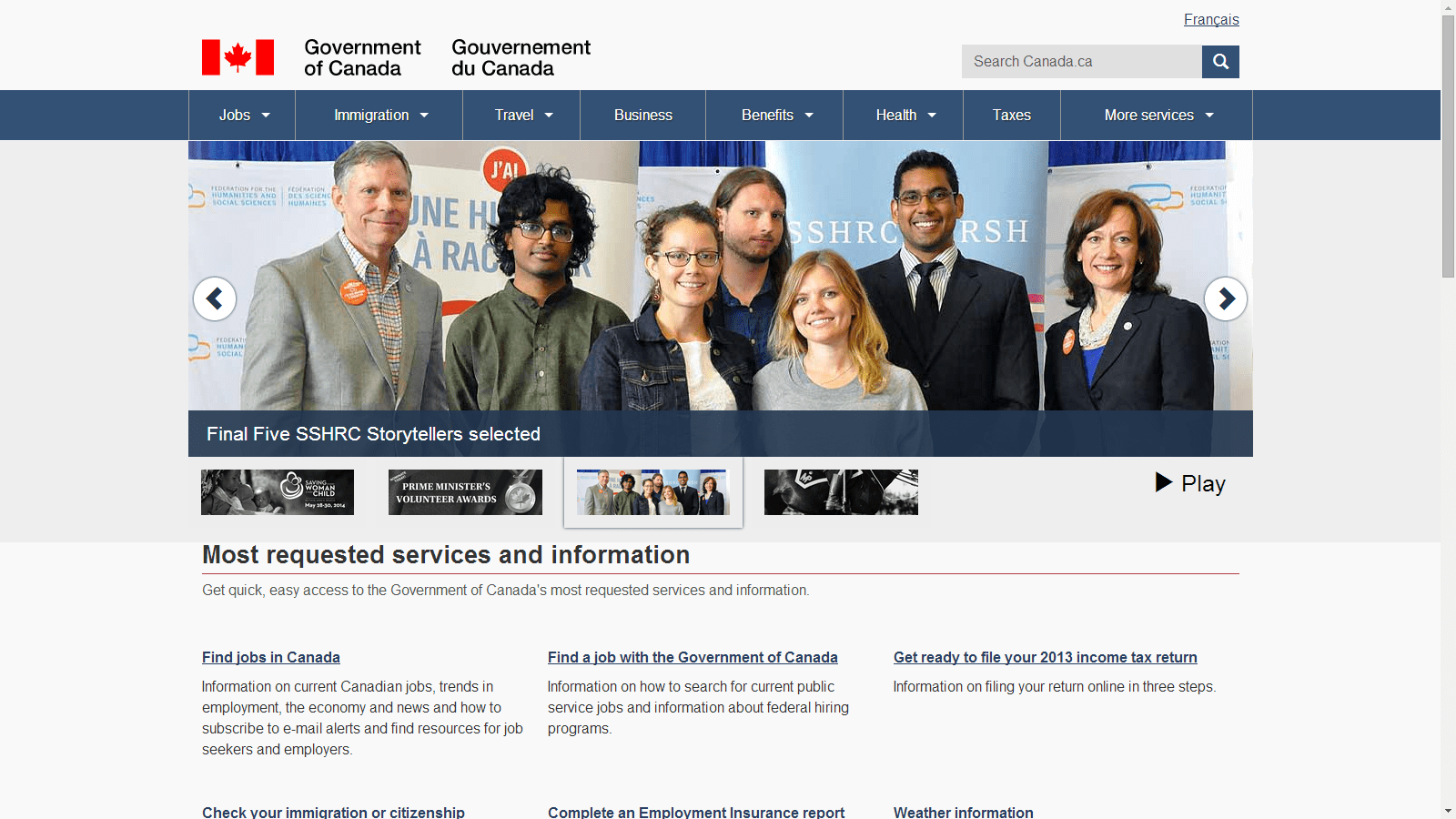
As one of the 25 finalists, I spent the last few days at Congress of the Humanities and Social Sciences 2014 at Brock University in St Catharines, Ontario. My talk on the Database of Religious History was selected as one of 5 winners of the Social Sciences and Humanities Research Council of Canada’s Research for a Better Life: The Storytellers challenge. The research was featured on the Federal Government’s official website, canada.ca (image below).
I was invited by the Social Sciences and Humanities Research Council to elaborate on the vision and achievements of the Database of Religious History, complementing the winning video, which you can watch below:
The panel of 4 judges included Shari Graydon, author, journalist and founder of Informed Opinions; Antonia Maioni, president of the Federation for the Humanities and Social Sciences; Pierre Normand, Vice-President, External Relations and Communications at the Canada Foundation for Innovation; and Bruce Wallace, editor of Policy Options magazine and former foreign editor for the Los Angeles Times.
I will be presenting the same talk to a VIP audience at SSHRC’s 2014 Impact Awards ceremony in early November.

Cultural Evolution and How Sociality Influences Cultural Complexity at University of Queensland, Australia
This week I visited my alma mater, The University of Queensland, Australia. Mark Nielsen and Thomas Suddendorf (both of whom I was lucky enough to take classes with as an undergraduate) invited me to present my paper on how “Sociality Influences Cultural Complexity” and my chapter on Cultural Evolution. The chapter, coauthored with Maciek Chudek and Joe Henrich, will be appearing in the new Handbook of Evolutionary Psychology. I presented the research to the Evolutionary Psychology group, which I took great pleasure in, being a member of the group as an undergraduate.
While at Queensland, I also caught up with my Honours supervisor, Penny Sanderson, and my former colleagues, Morgan Tear and Matt Thompson.
SSHRC Storytellers Competition
The Social Sciences and Humanities Research Council of Canada announced the winners of of their Research for a Better Life: The Storytellers challenge. Our entry was one of the winners. We presented the broad vision of The Database of Religious History. I am the Technical Director of the project, but this project was done unofficially in my capacity as a researcher and writer. My friend and collaborator, Jordan Levine, was the narrator. The talented Risto Turunen, created the animations. Mike Woods wrote the score.
Our projects have since diverged, but credit for the concept and vision also goes to Seshat: The Global History Databank led by Peter Turchin, Harvey Whitehouse, and Pieter Francois. The Database of Religious History is led by Ted Slingerland and Mark Collard.
I will be presenting the entry at Congress 2014 in May and we will be presenting The Database of Religious History at the Digital Humanities Conference in Lausanne, Switzerland in July.
You can watch the video below:

Society for Personality and Social Psychology (SPSP) Conference in Austin, Texas
I attended the 15th Annual Meeting of The Society for Personality and Social Psychology (SPSP) in Austin, Texas. I presented a model at the Dynamical Systems and Computational Modeling in Social Psychology preconference. The model uses two principles of human decision making to produce the three key properties of human social networks – high clustering (a friend of a friend is likely your friend), low characteristic path length (“6 degrees of separation”), and a positively skewed degree distribution (most people have a few friends, but a few people have many friends).
My collaborator and advisor, Mark Schaller, presented a related model at a symposium on “The Role of Interpersonal Processes in Group Phenomena and Cultural Development”. The model presented some preliminary research using the model I presented to better understand the dynamics of social influence within social networks.

Overconfidence at Hokkaido University, Sapporo, Japan
I spent the last week at Hokkaido University in Sapporo, Japan. I was invited to present my paper on how “Sociality Influences Cultural Complexity“. I also helped set up an experiment that Joe Henrich, Steve Heine, and I are running in collaboration with Tatsuya Kameda and Wataru Toyokawa. We previously collected data in Hong Kong in collaboration with Takeshi Hamamura.
| Muthukrishna, M., Shulman, B. W., Vasilescu, V., & Henrich, J. (2013). Sociality influences cultural complexity. Proceedings of the Royal Society B: Biological Sciences, 281(1774). |

Sociality Influences Cultural Complexity
Proceedings of the Royal Society B: Biological Sciences published my paper with Ben W. Shulman, Vlad Vasilescu, and Joe Henrich showing that sociality influences cultural complexity. Across two experiments, we show that access to more people (1) increases cultural complexity, allowing for cumulative cultural evolution and (2) reduces the loss of cultural knowledge and skill. We found that students paid most attention to the most capable of their mentors, but also drew inspiration from the others, suggesting that the benefit of greater interconnectivity is twofold: you have access to the best people and information, but are also able to recombine knowledge from a greater variety of people.
Nature News, Kurzweil AI, CKNW, and GlobalTV were among the media outlets that featured the research. I explain the research to Philip Till at CKNW below.
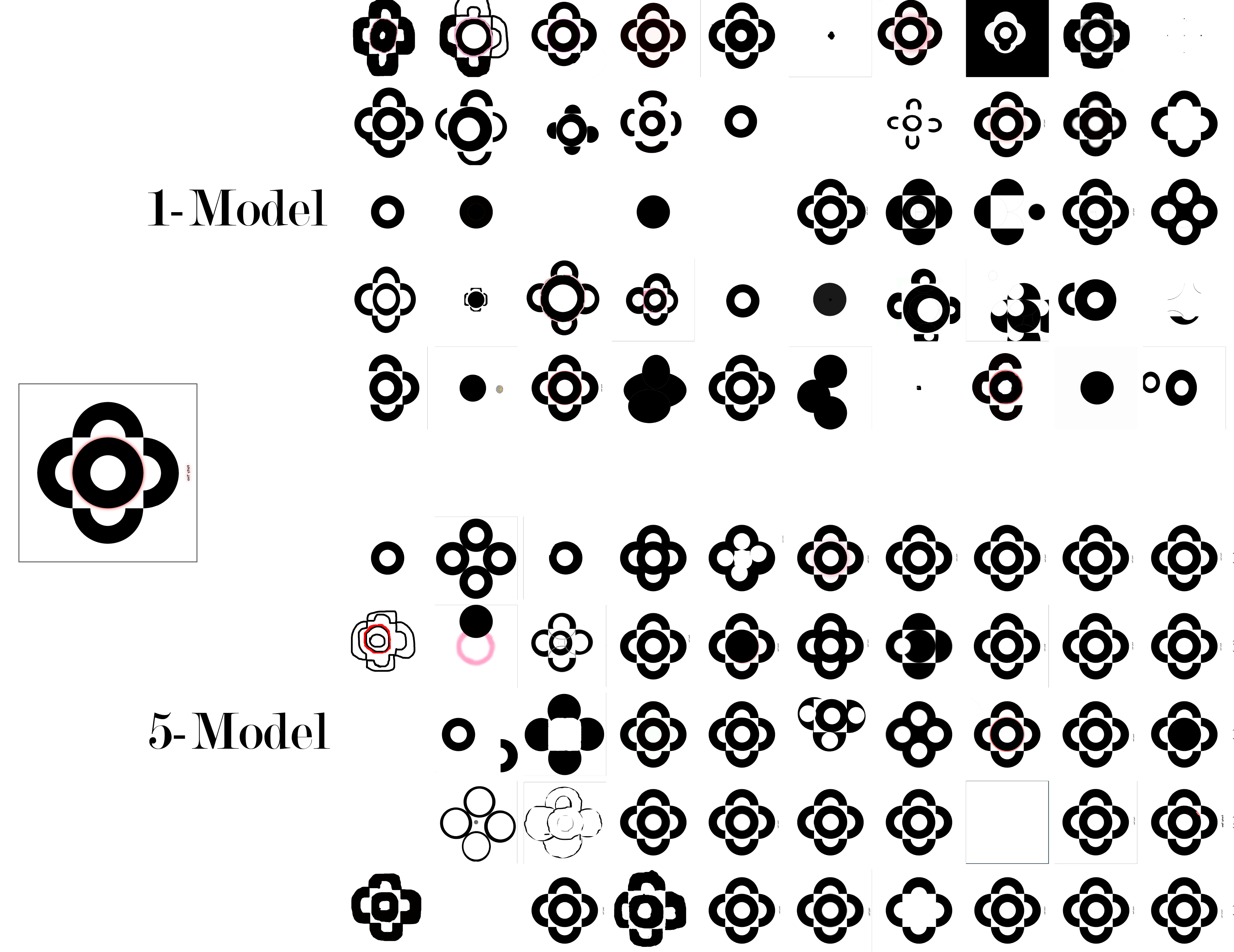
Experiment 1 showing difference between access to models on cultural complexity.
| Muthukrishna, M., Shulman, B. W., Vasilescu, V., & Henrich, J. (2013). Sociality influences cultural complexity. Proceedings of the Royal Society B: Biological Sciences, 281(1774). [Download] |